Introduction
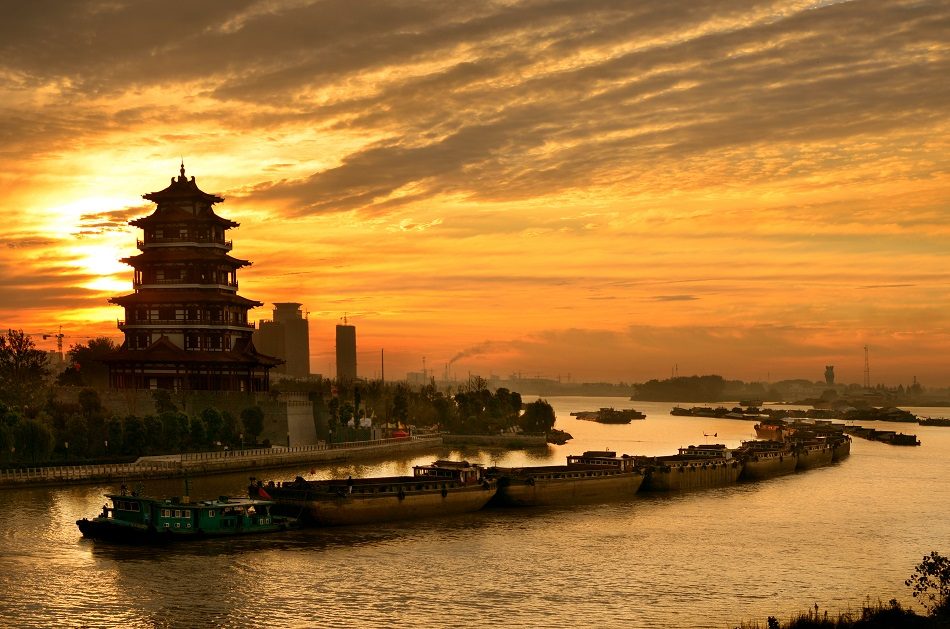
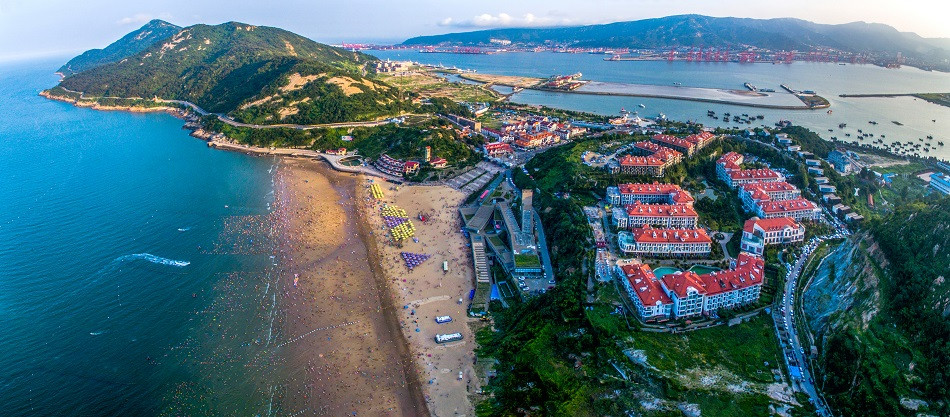
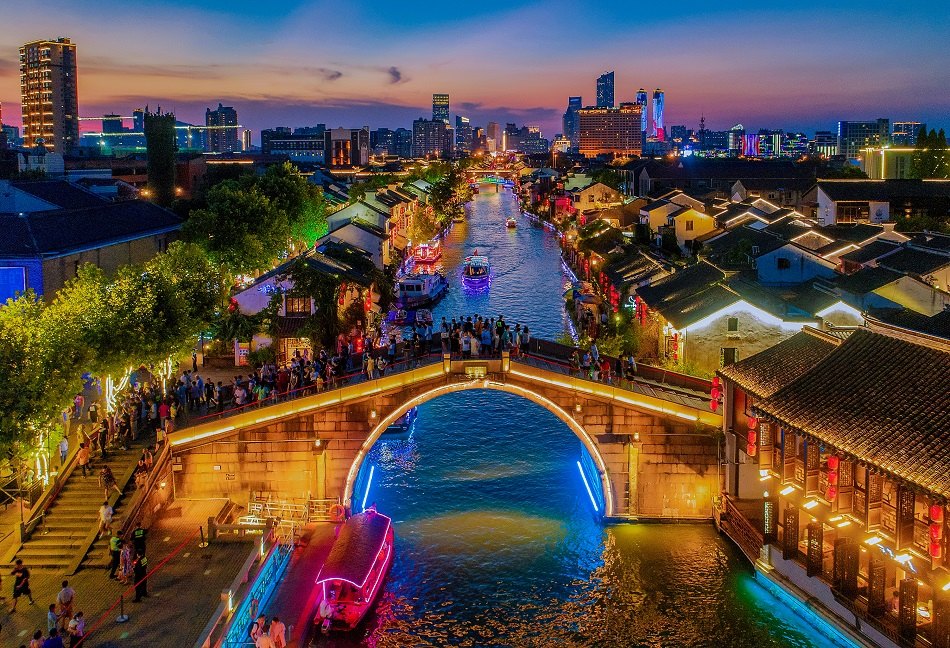
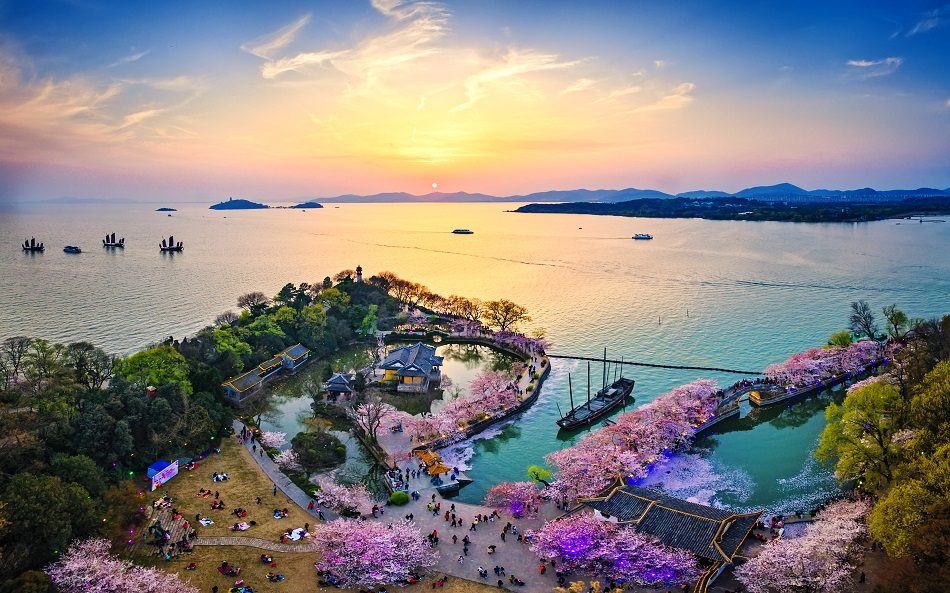
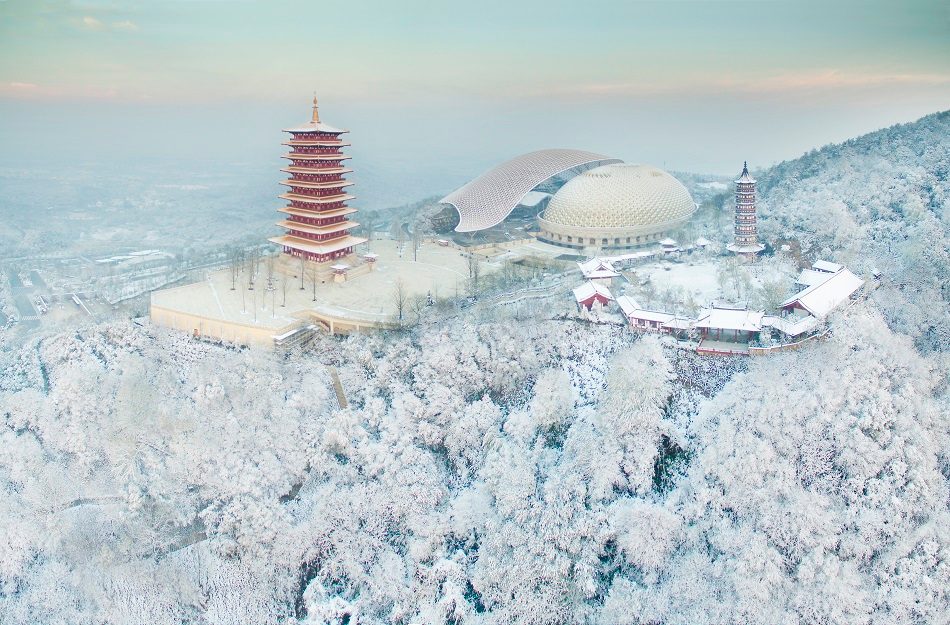
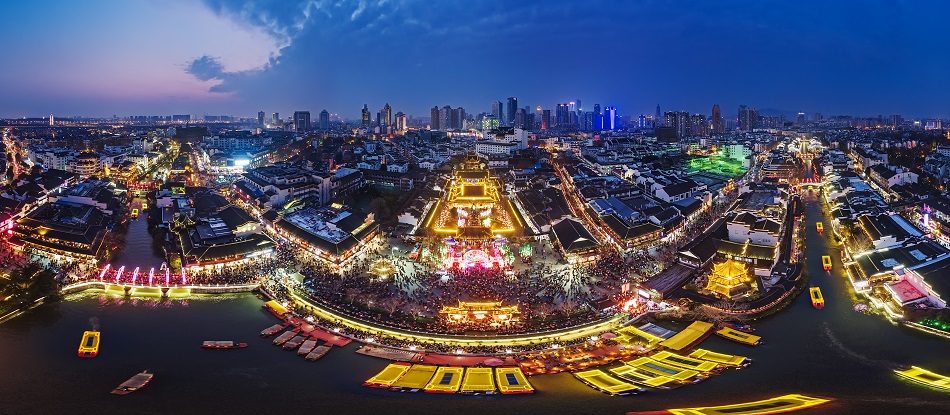
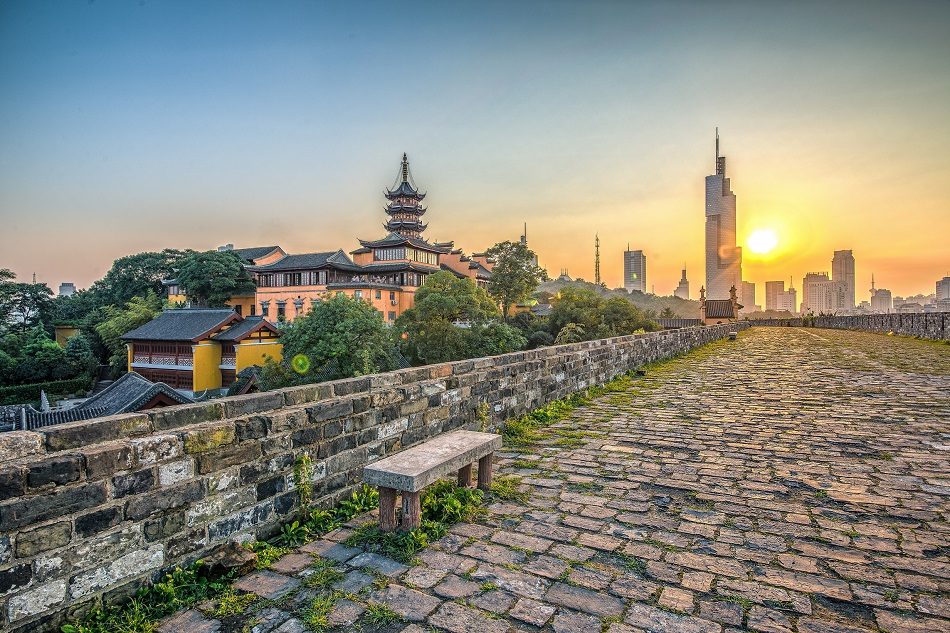
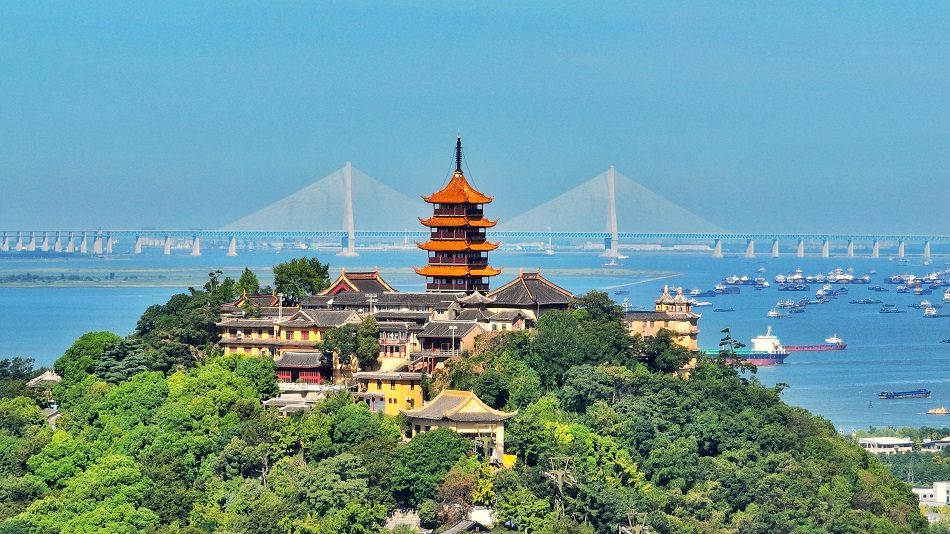
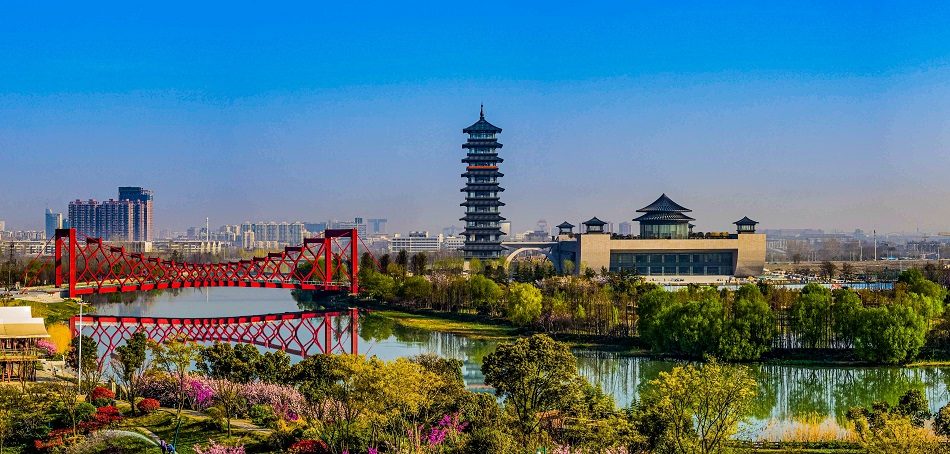
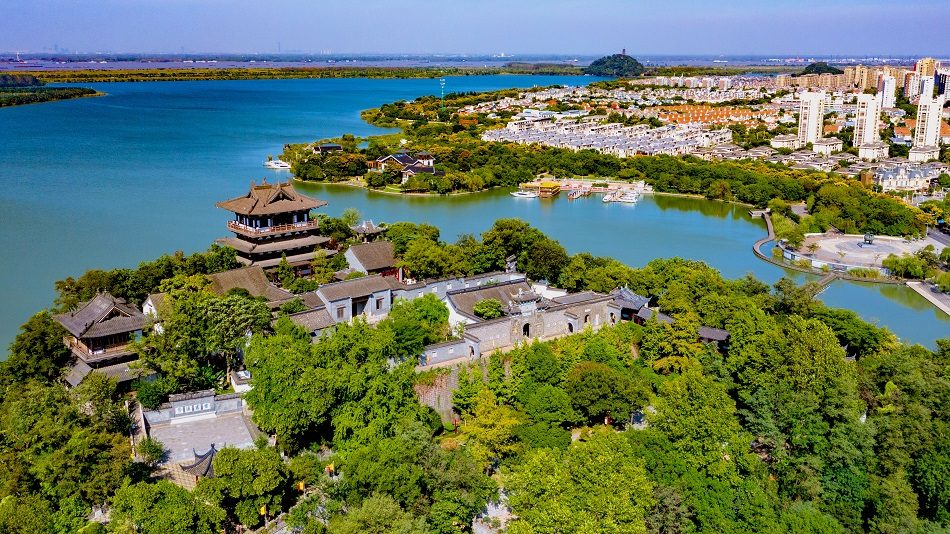
Jiangsu, a jewel on China’s eastern coast, covers approximately 107,200 square kilometres, around 1.6 times the size of Tasmania. It lies along the Yangtze River and faces the Yellow Sea. Here, the Yangtze, the Huai River, lakes and the sea converge amid an intricate network of waterways, creating a landscape found nowhere else among China’s provinces. From this abundance of water comes the distinctive beauty of the “Charm of Jiangsu”.
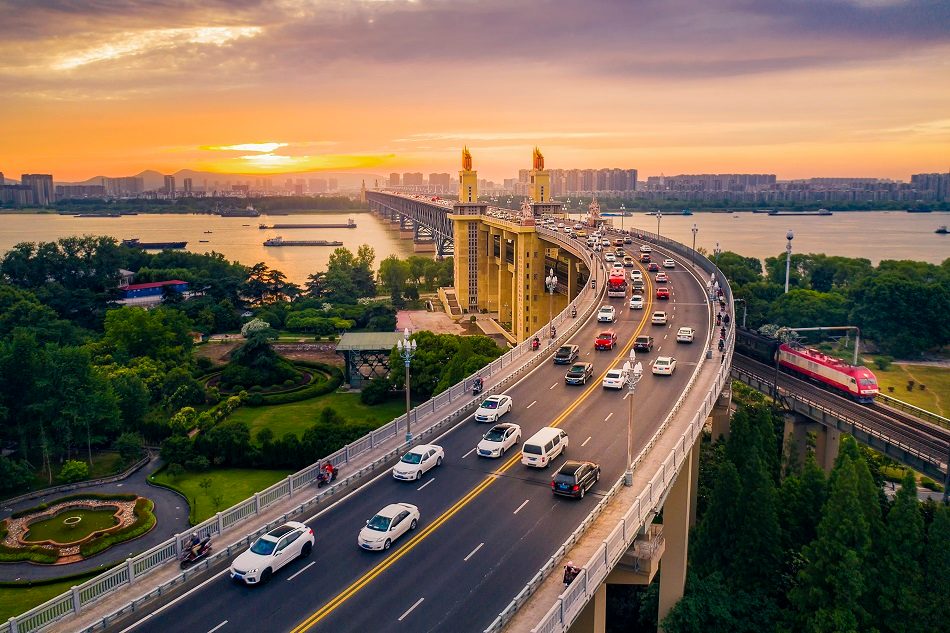
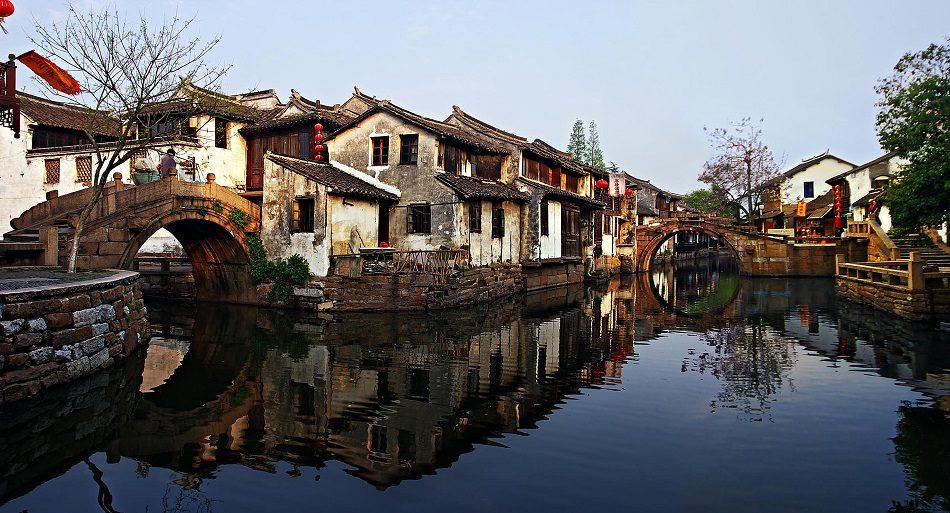
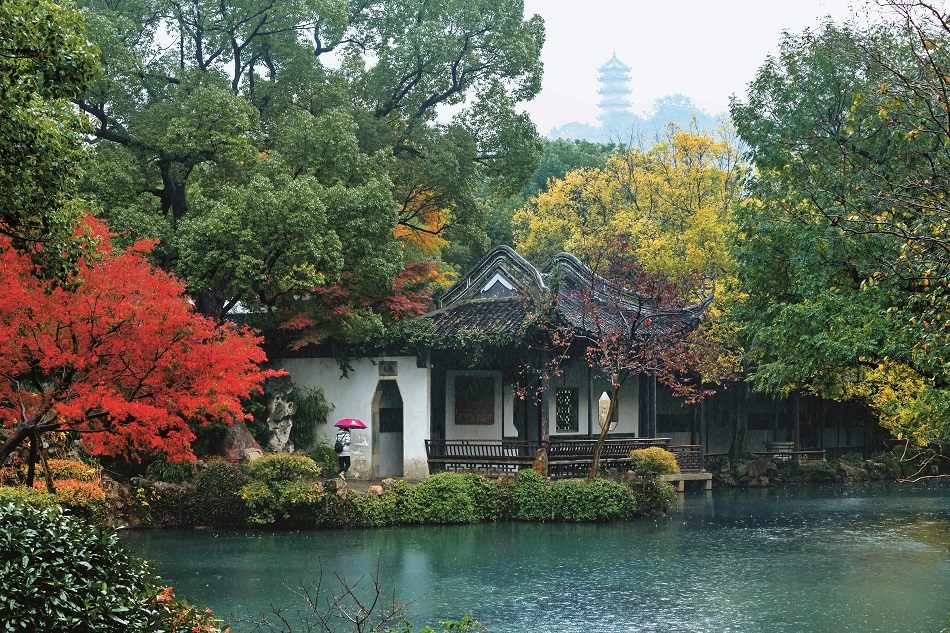
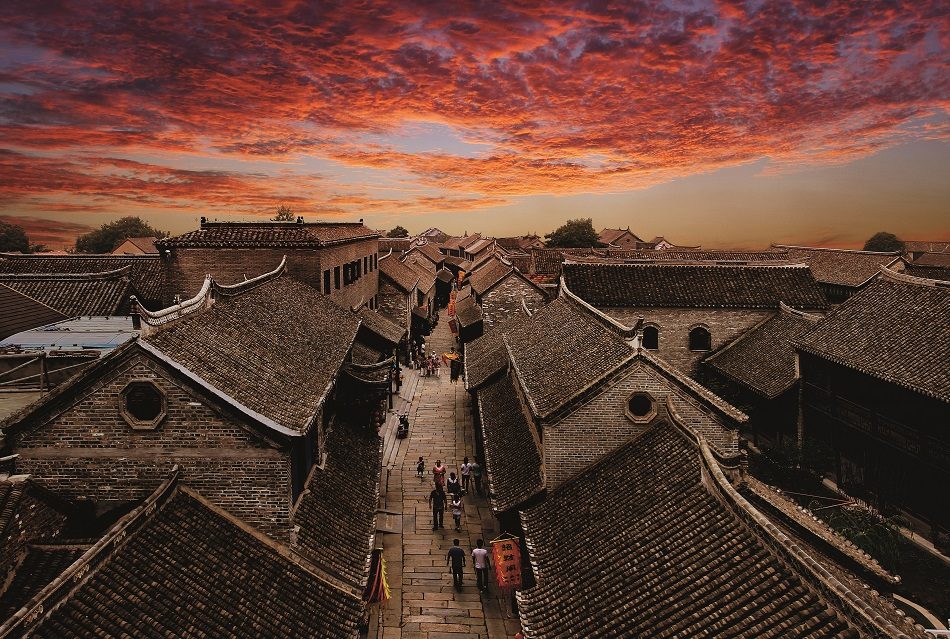
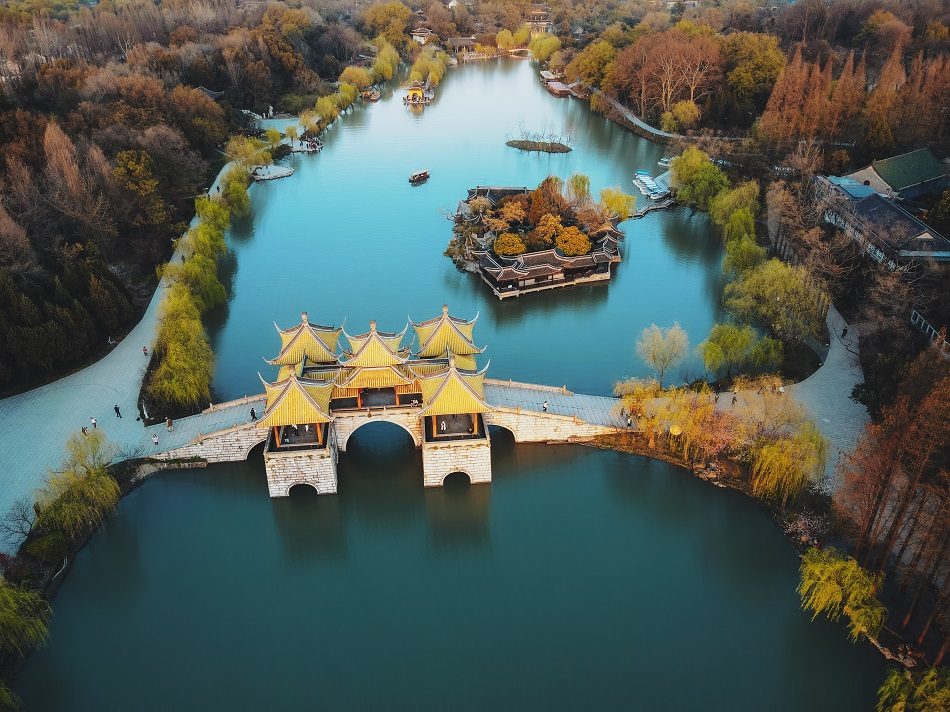
The province has 13 prefecture-level cities, each born of water and flourishing by it. From Nanjing, ancient capital of the Six Dynasties, to Suzhou, famed for its classical gardens; from Yangzhou, celebrated for its cuisine, to Huai’an, known as China’s “Canal Capital”, together they form a richly layered cultural landscape.
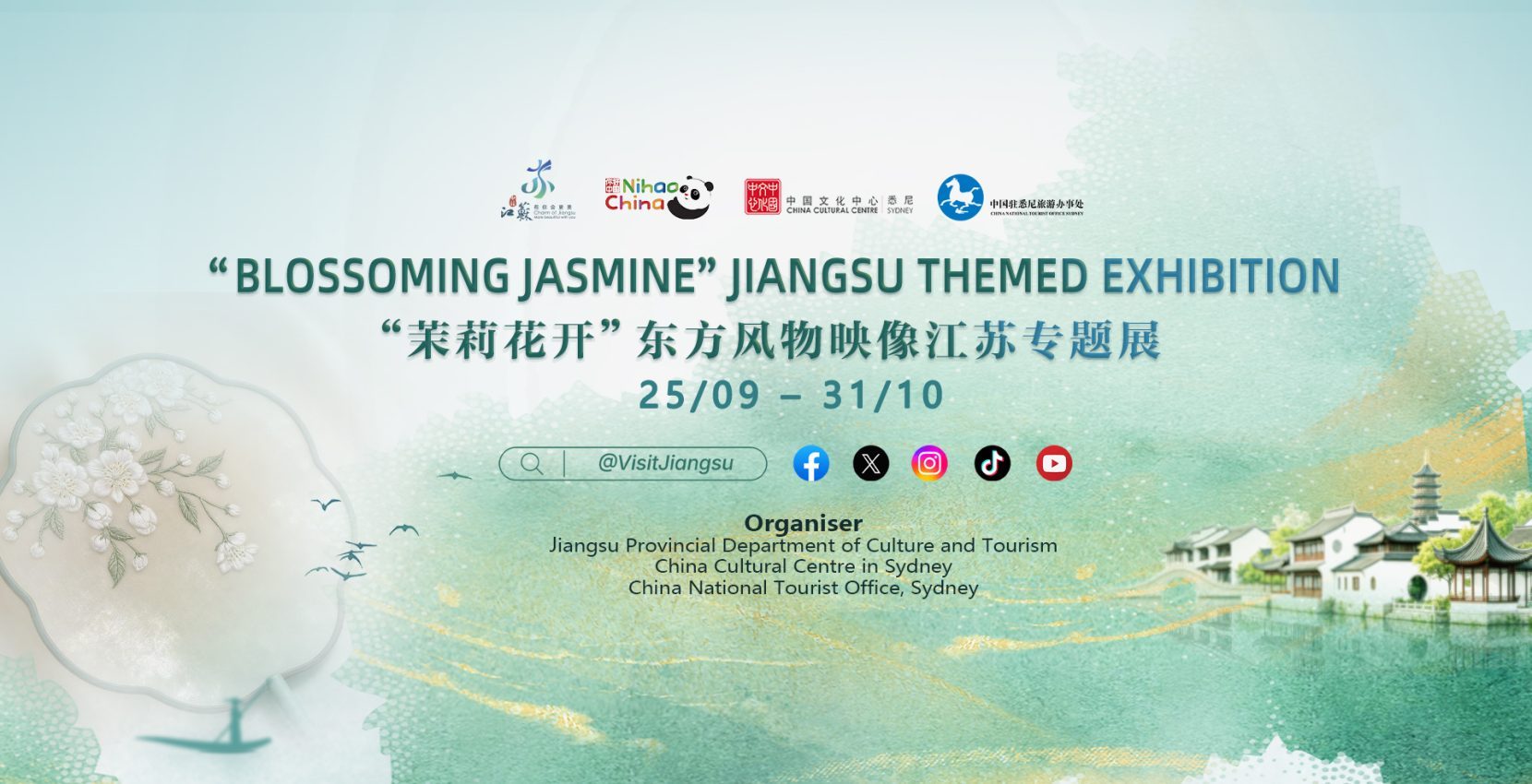
25/09/2026 (Friday) – 30/10/2026 (Friday)
Monday to Friday:
10am – 1pm
2pm – 5pm
Level 1, 151 Castlereagh St
Sydney NSW 2000
This is a free exhibition.
Please email info@cccsydney.org for group tour.
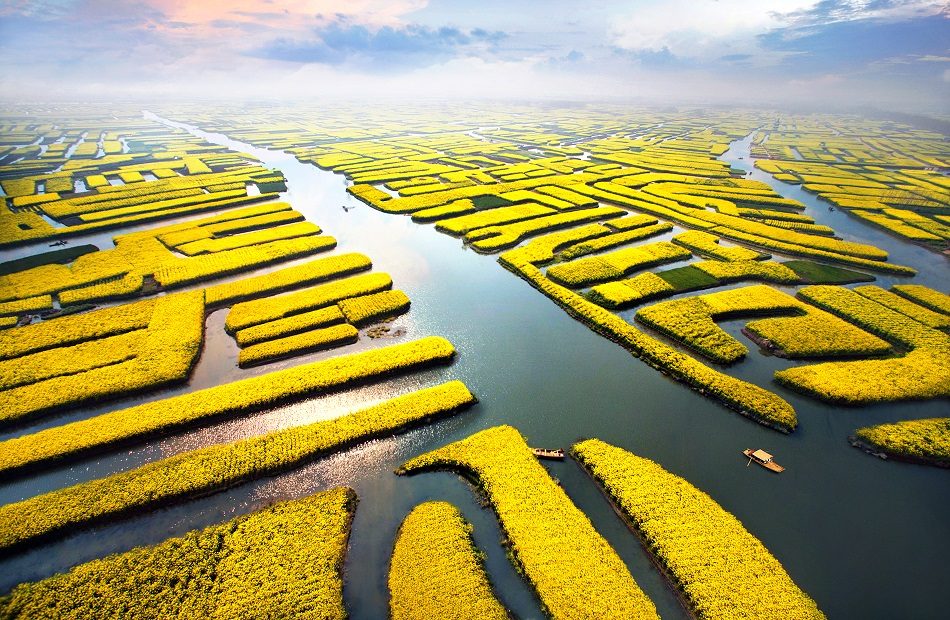
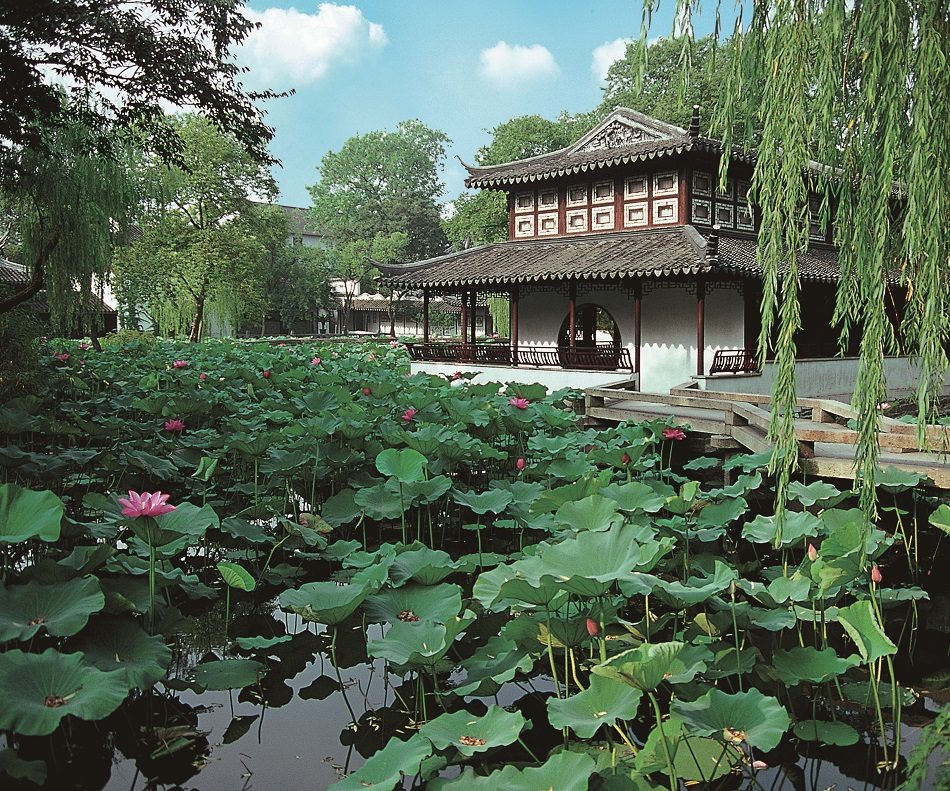
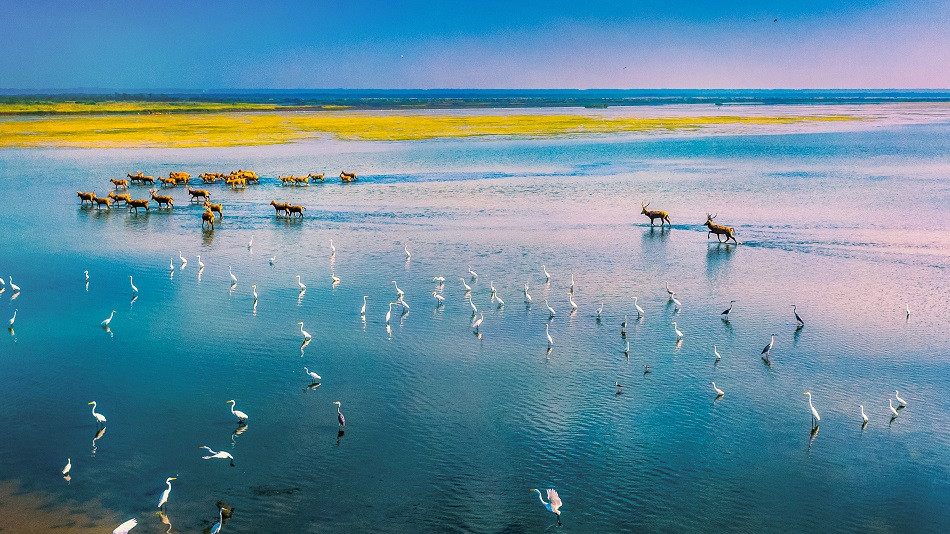
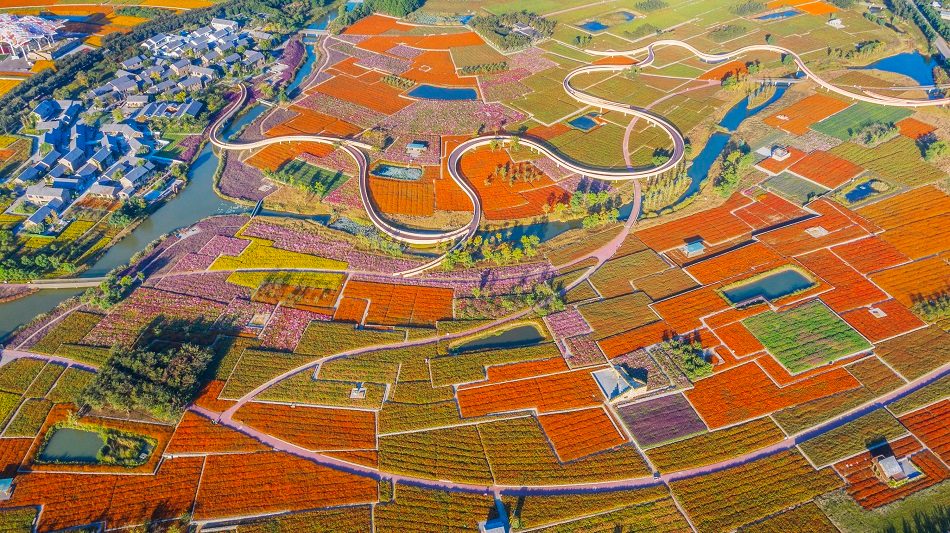
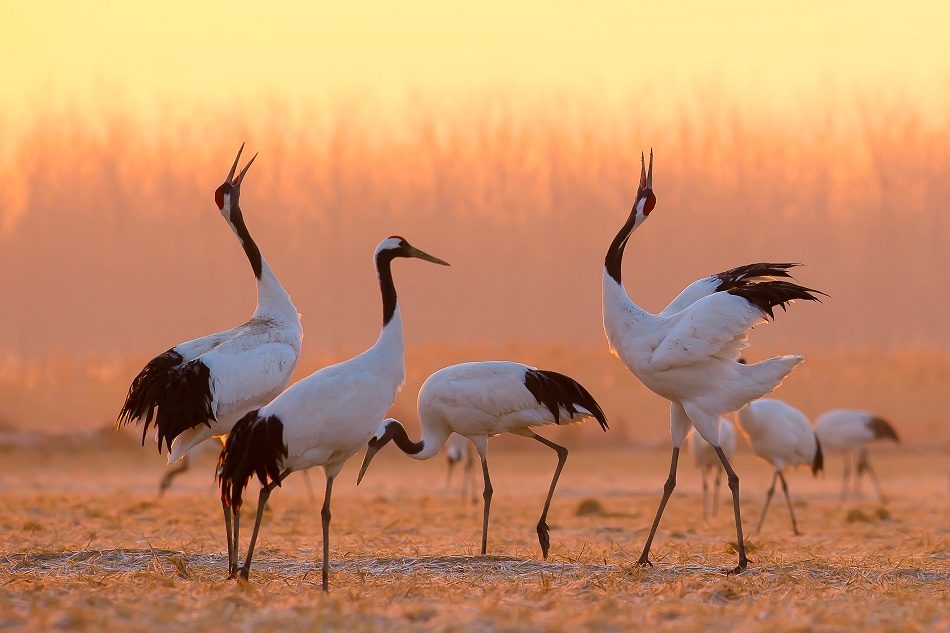
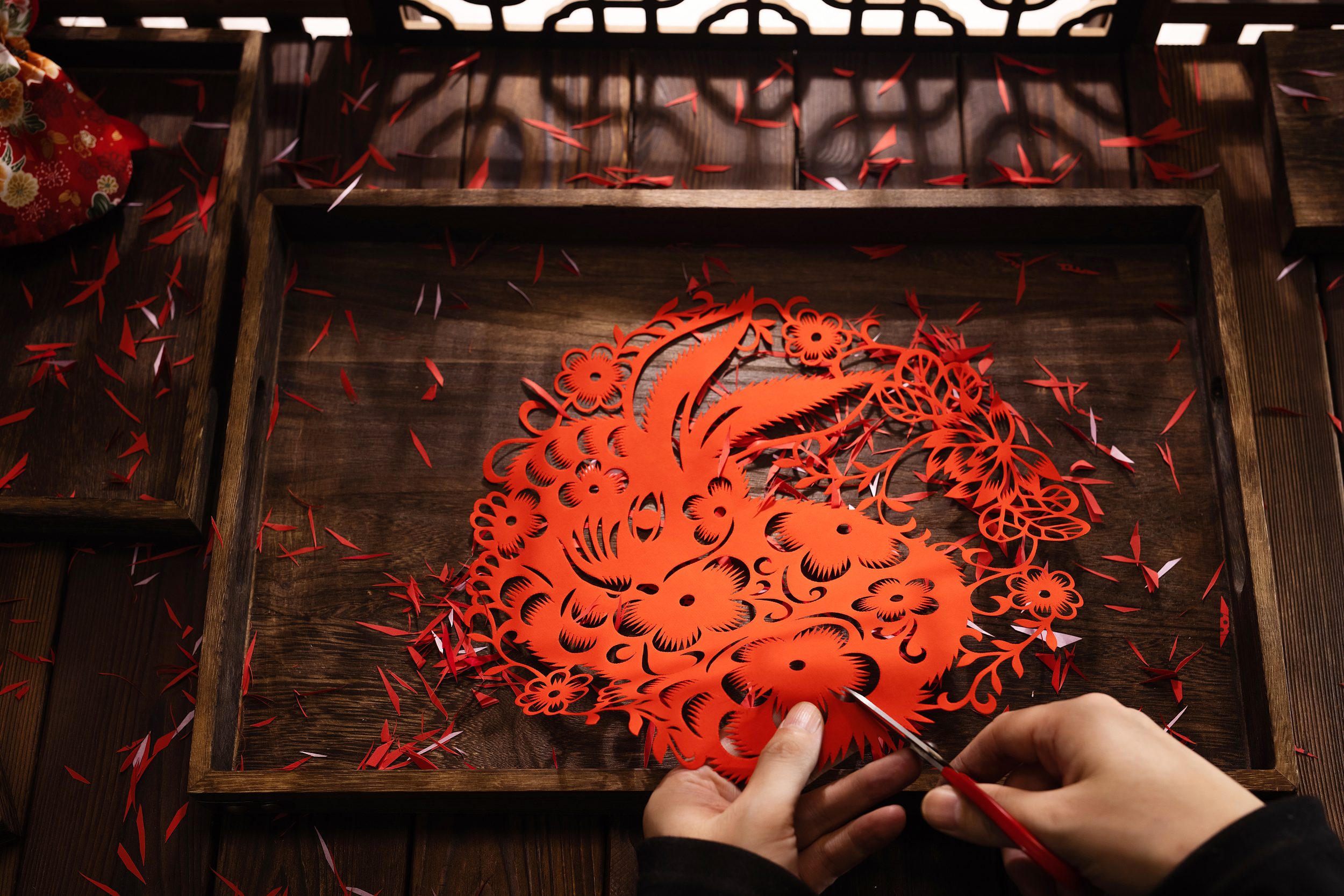
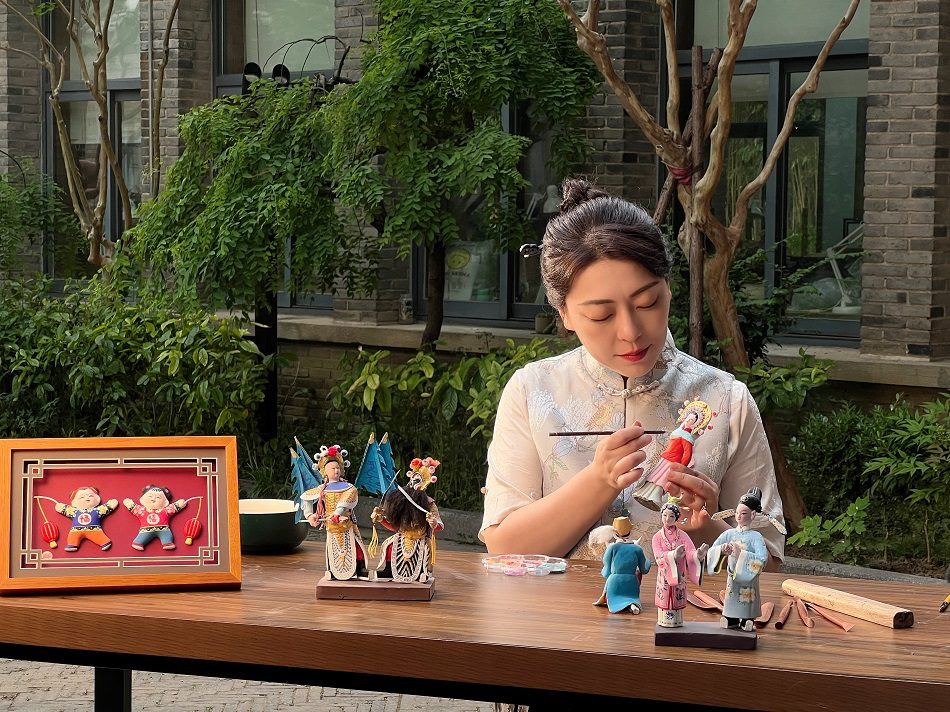
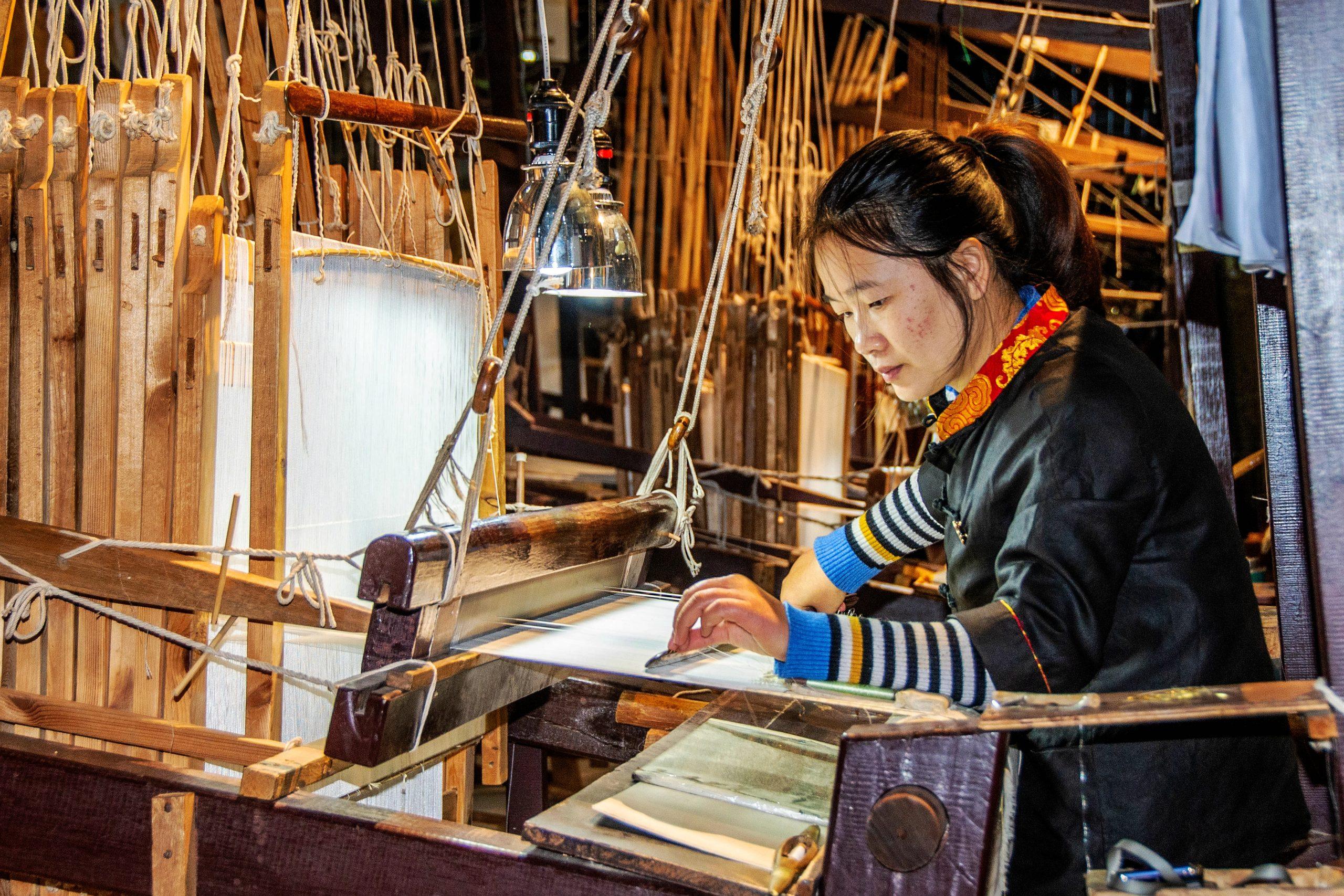
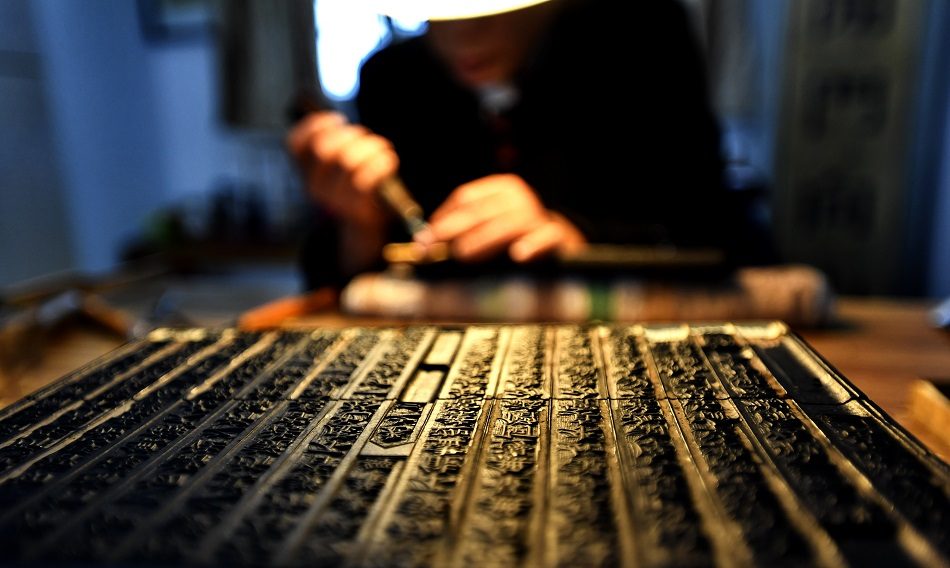
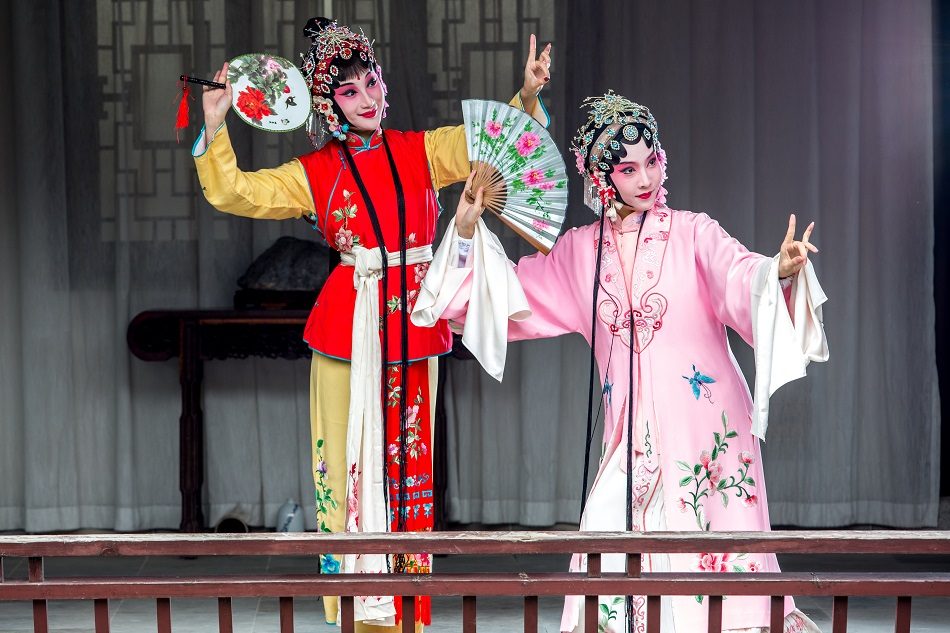
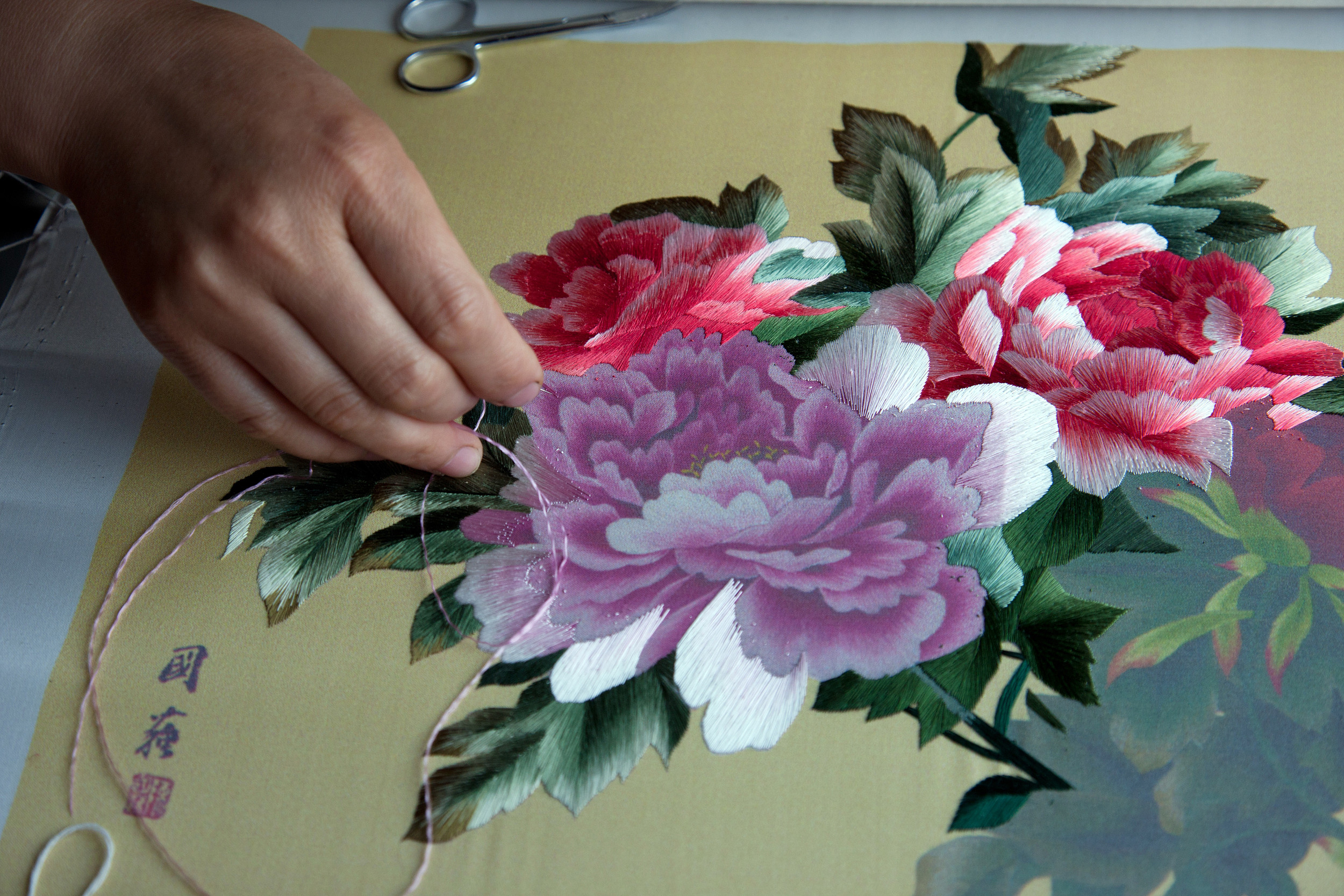
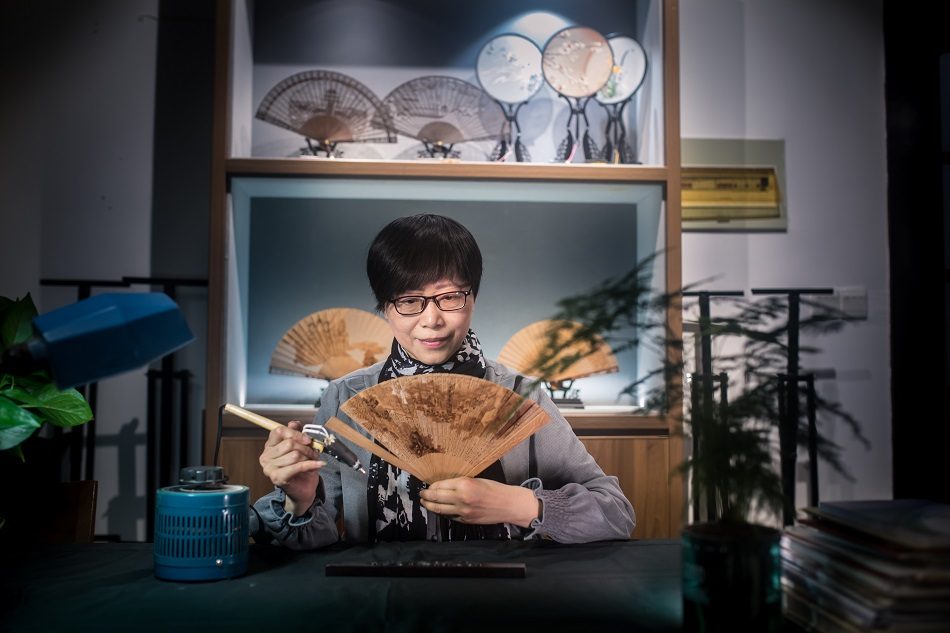
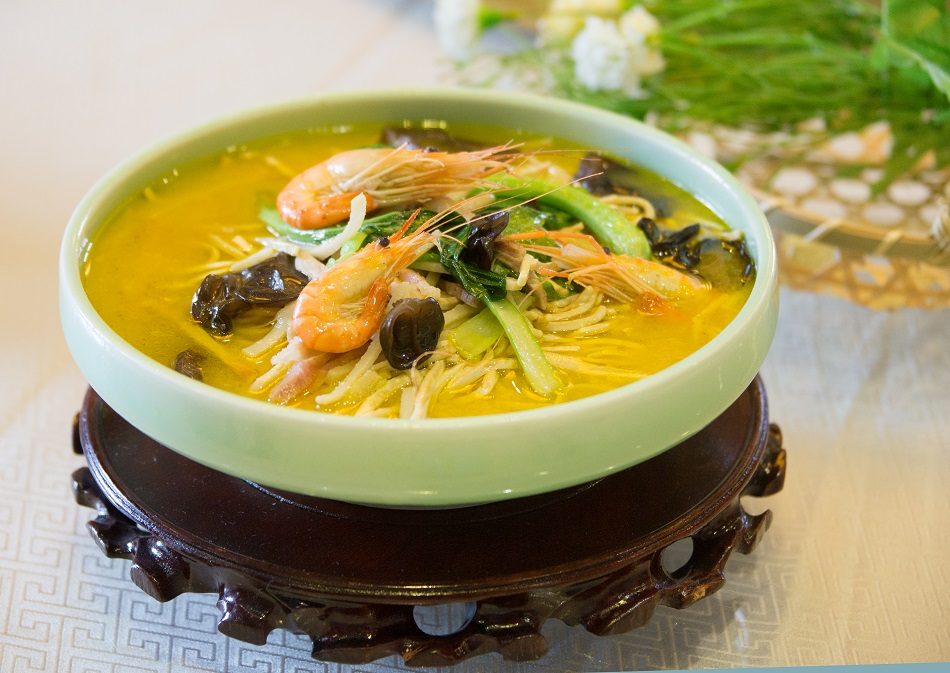
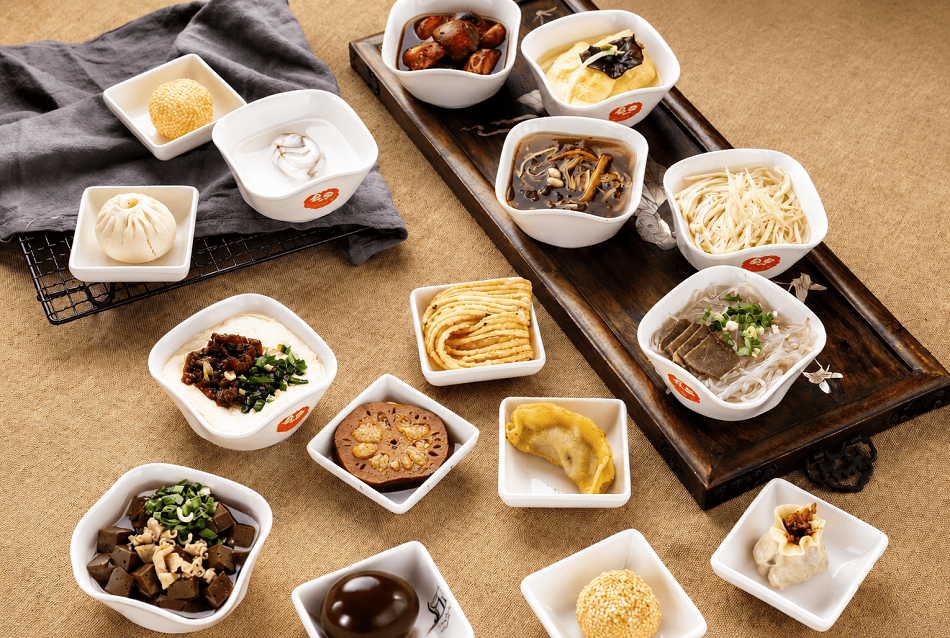
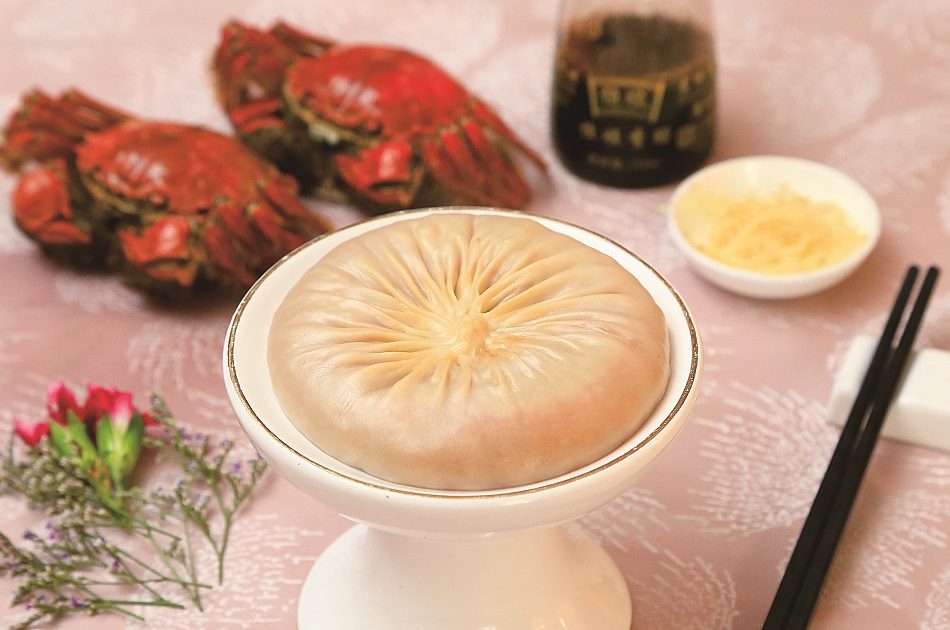
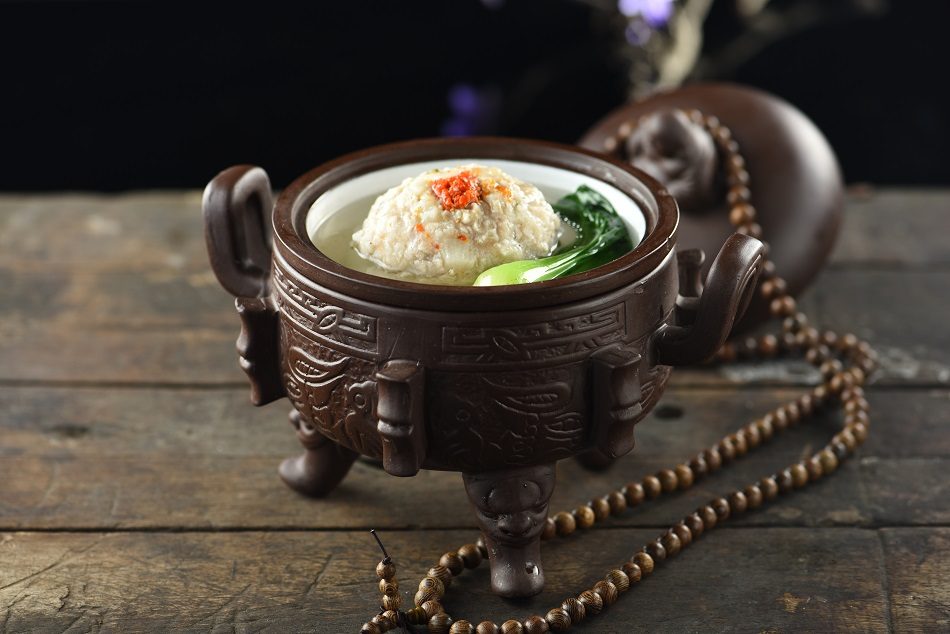
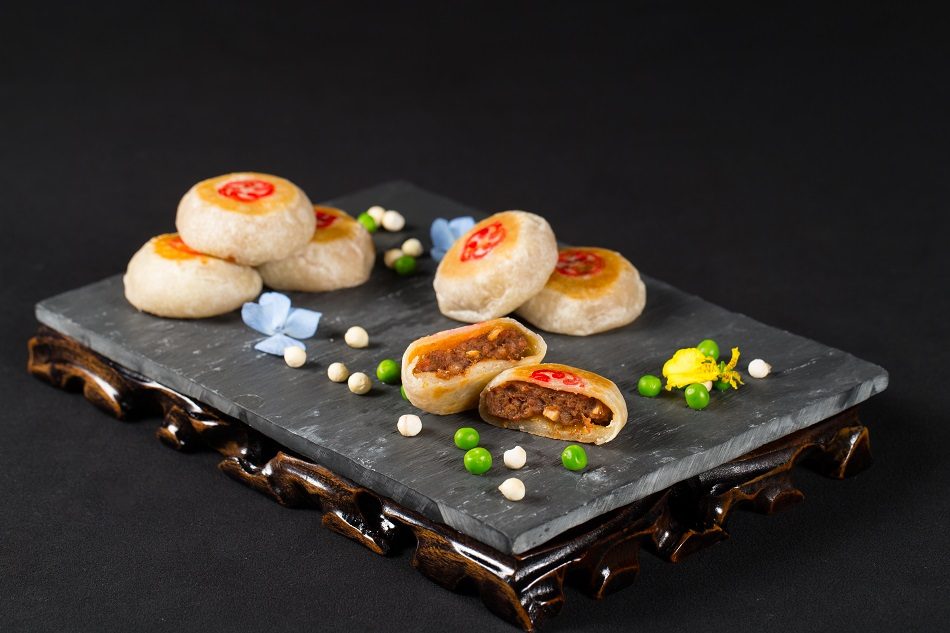
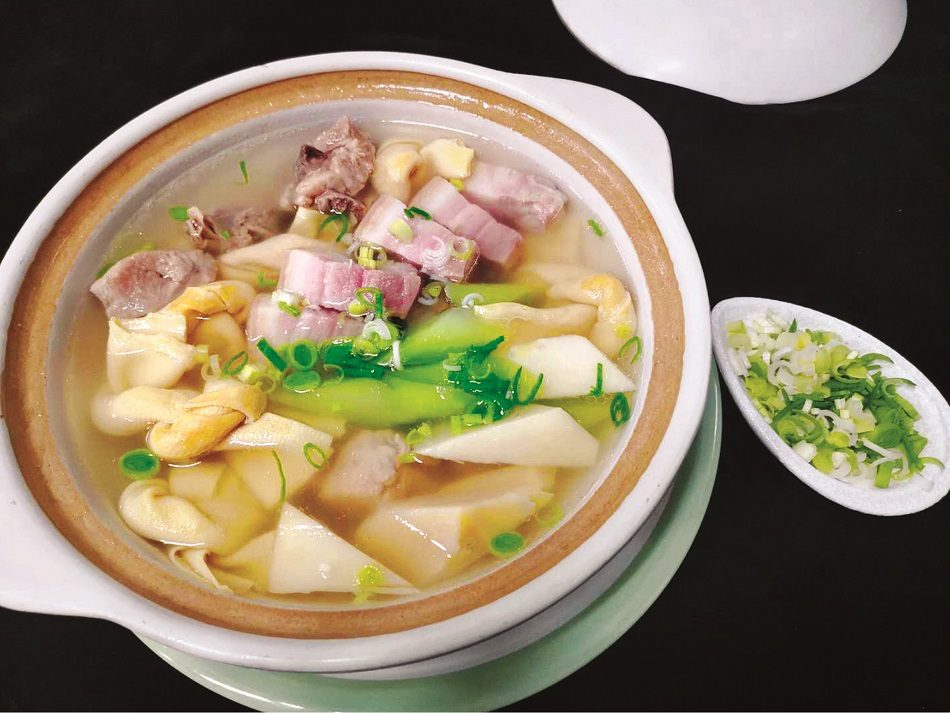
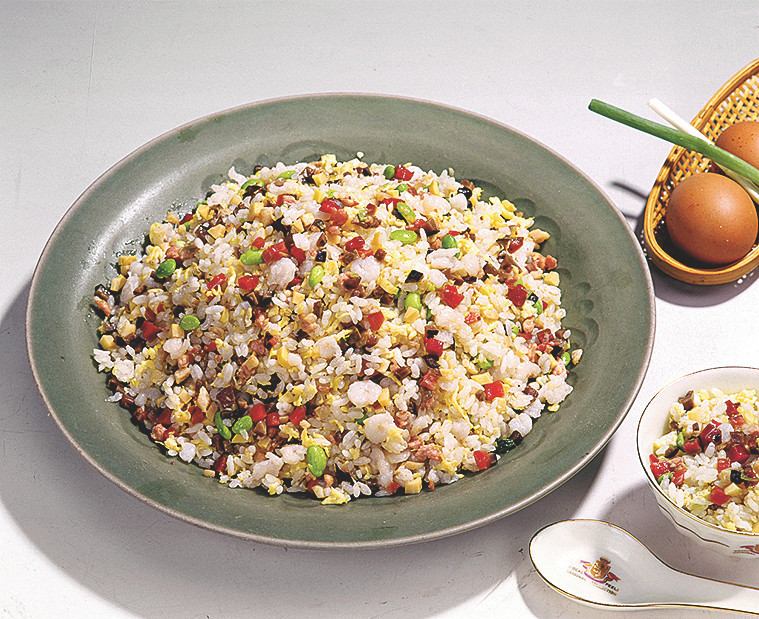
Jiangsu is home to three UNESCO World Heritage cultural properties, one natural property, 12 elements of intangible cultural heritage recognised by UNESCO, and one Globally Important Agricultural Heritage System. The Classical Gardens of Suzhou represent a pinnacle of Chinese garden design; the Grand Canal has flowed through a millennium of history; and Ming Xiaoling Mausoleum retains its stately presence more than six centuries on. Along the Yellow Sea lies part of the world’s largest intertidal mudflat system, providing vital habitat for rare species such as the red-crowned crane and milu (Père David’s deer). In Xinghua, the Duotian Agrosystem embodies more than 800 years of farming knowledge shaped by water, a living expression of coexistence between people and nature. The lyrical grace of Kun Qu opera, the splendour of Nanjing Yunjin brocade, the delicacy of Suzhou embroidery and the clean, balanced flavours of Huaiyang cuisine are among the many living traditions that continue to enrich everyday life.
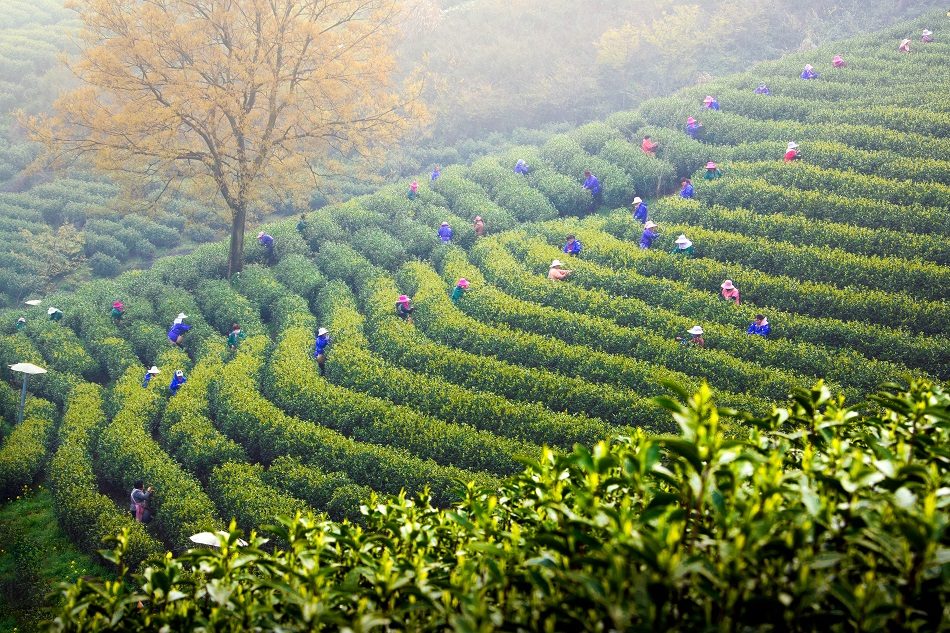
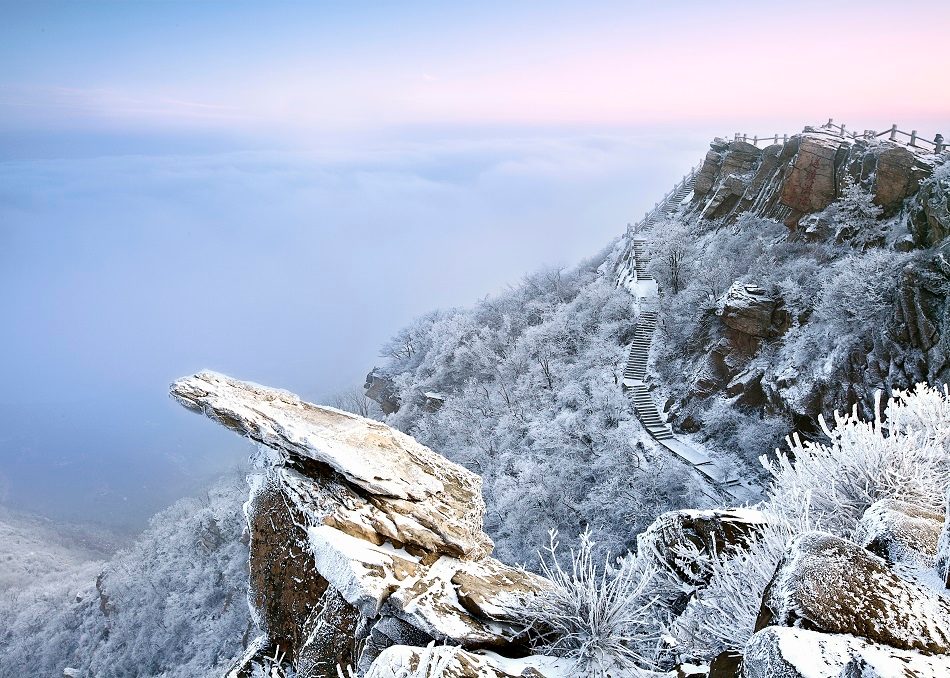
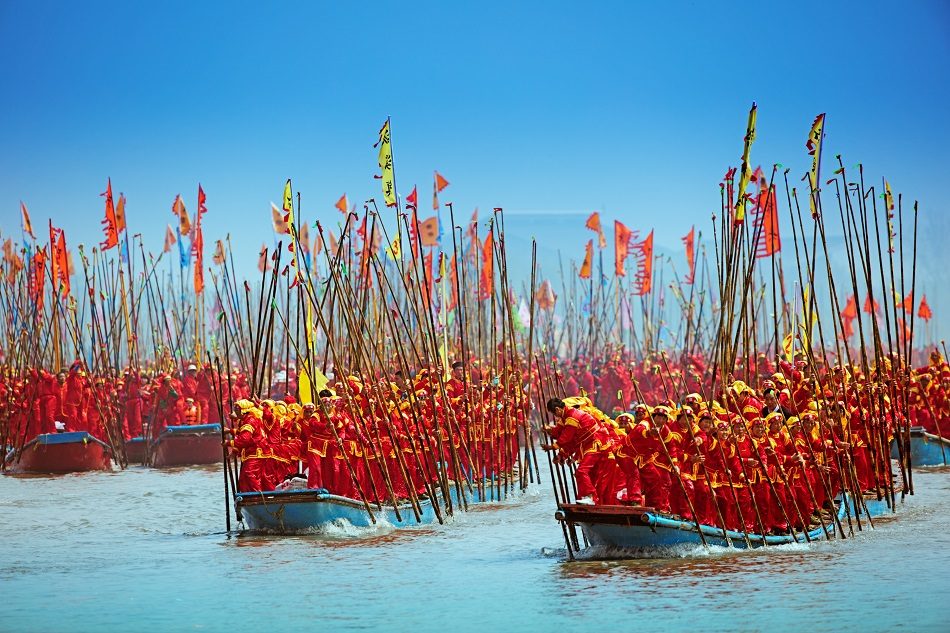
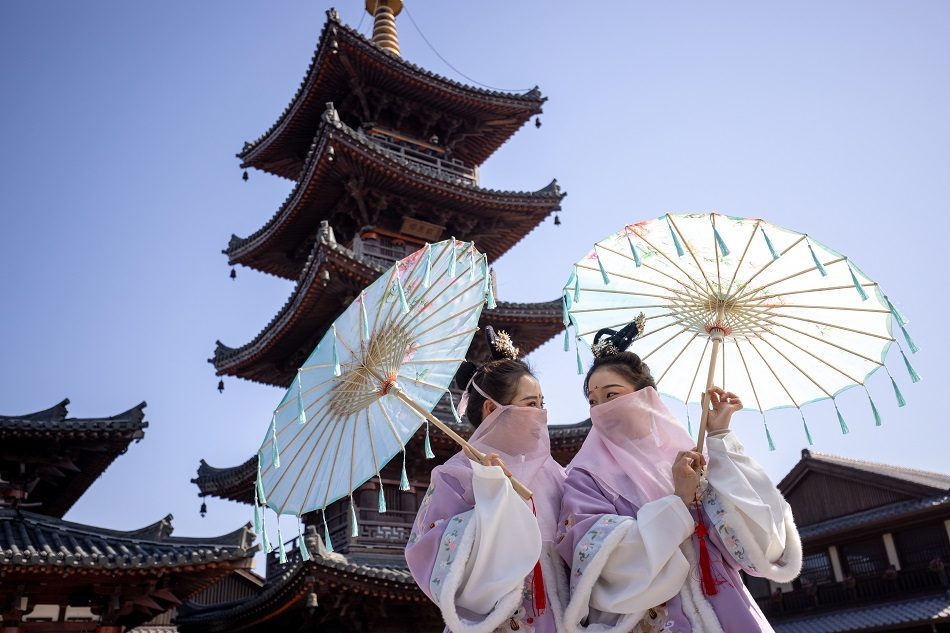
Through 40 photographs, this exhibition offers a window onto Jiangsu and its distinctive Eastern character. It does not seek to capture the province in its entirety. Rather, we hope these images of light, landscape and everyday life will strike a chord and invite you to discover Jiangsu for yourself.