Introduction
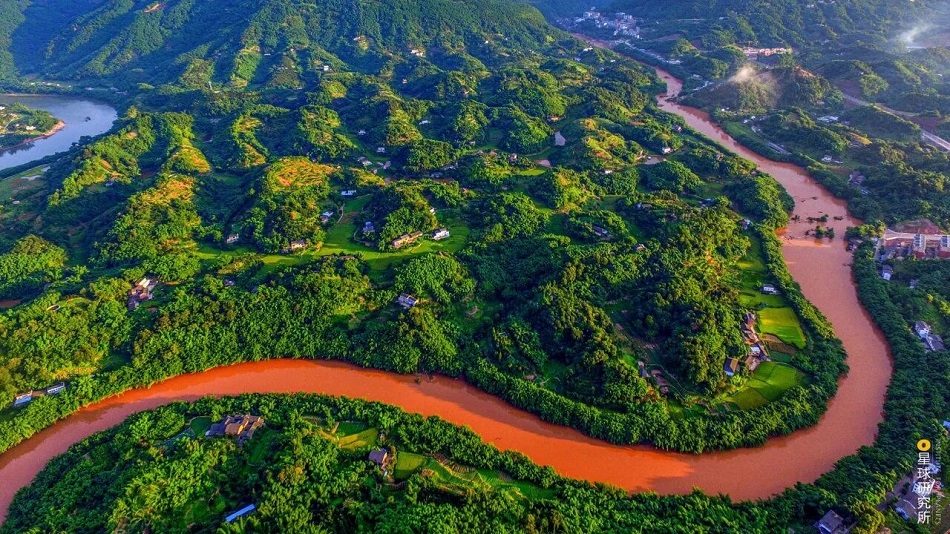
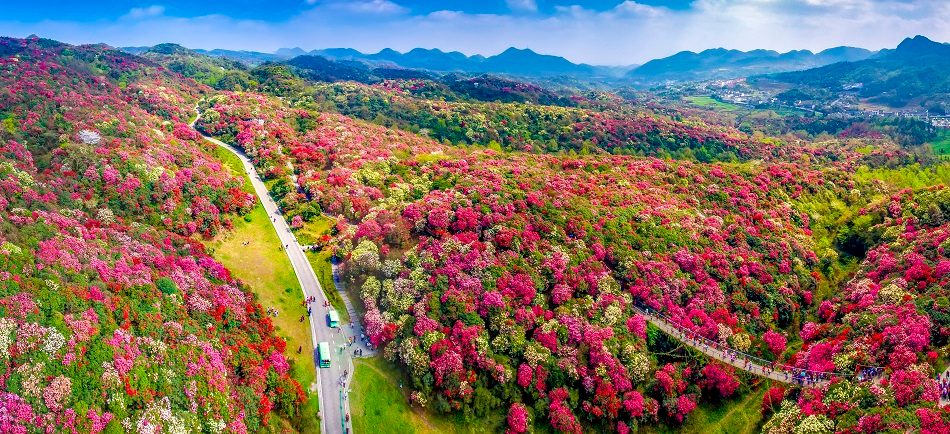
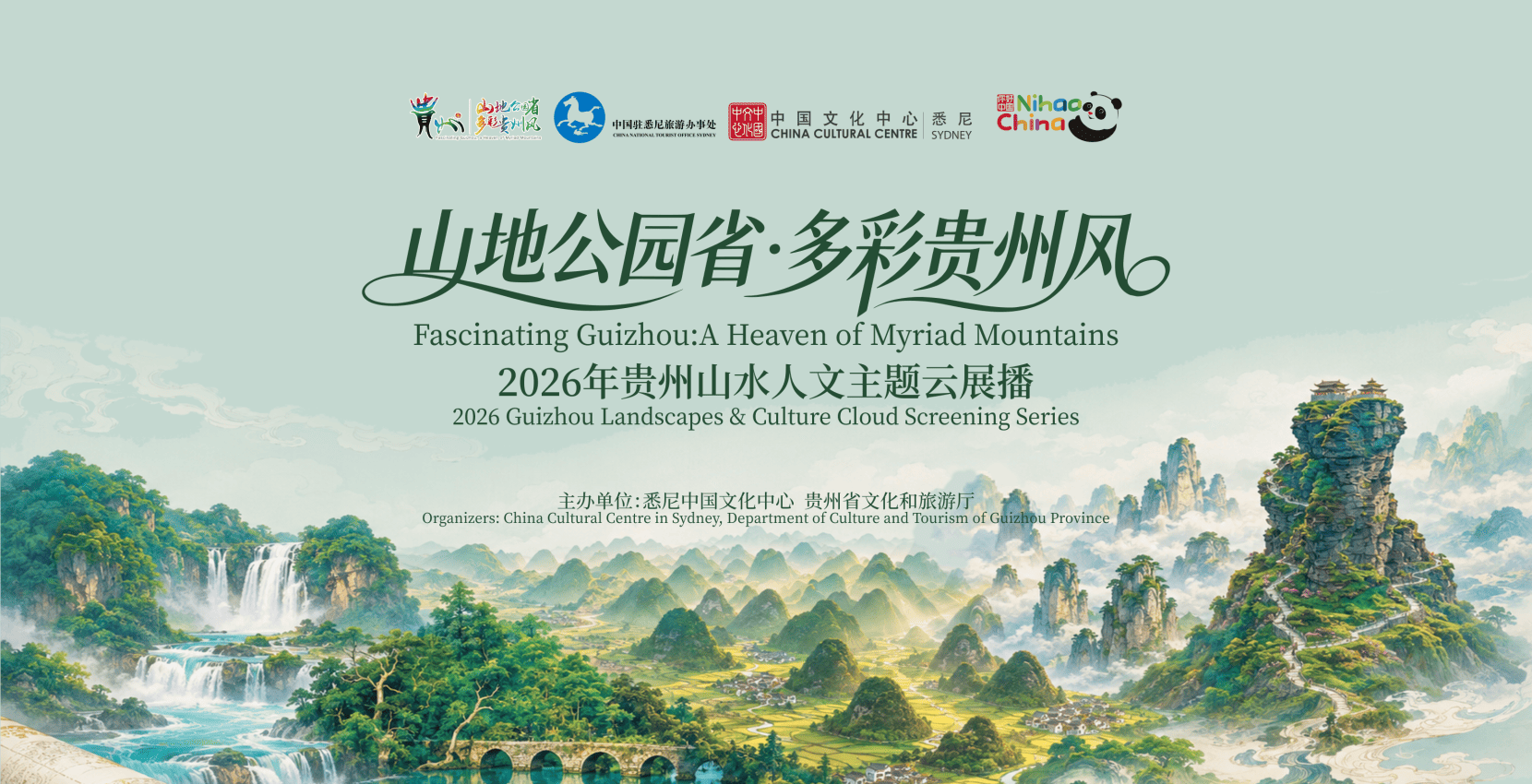
Guizhou, abbreviated as “Qian” or “Gui”, is located in the heartland of southwest China. Across its 176,200 square kilometers of territory, 92.5% is covered by mountains and hills, making it the only province in China without plains. It is one of the regions where karst landforms are most typically developed and feature the greatest variety of types. Peak forests, gorges, waterfalls, karst caves, giant sinkholes (tiankeng), and underground rivers—it encompasses virtually all karst geological forms, earning it the reputation of the “Mountain Park Province.”
Situated between 24° and 29° N latitude with an average elevation of around 1,100 meters, Guizhou sits at a “health-nourishing altitude”—a golden latitude and elevation globally recognized as ideal for human settlement. With an average summer temperature of only 23°C and a forest coverage rate of up to 63%, the province is rich in negative oxygen ions, making it a veritable “natural oxygen bar” of fresh, oxygen-rich air.
Guizhou Landscapes & Culture
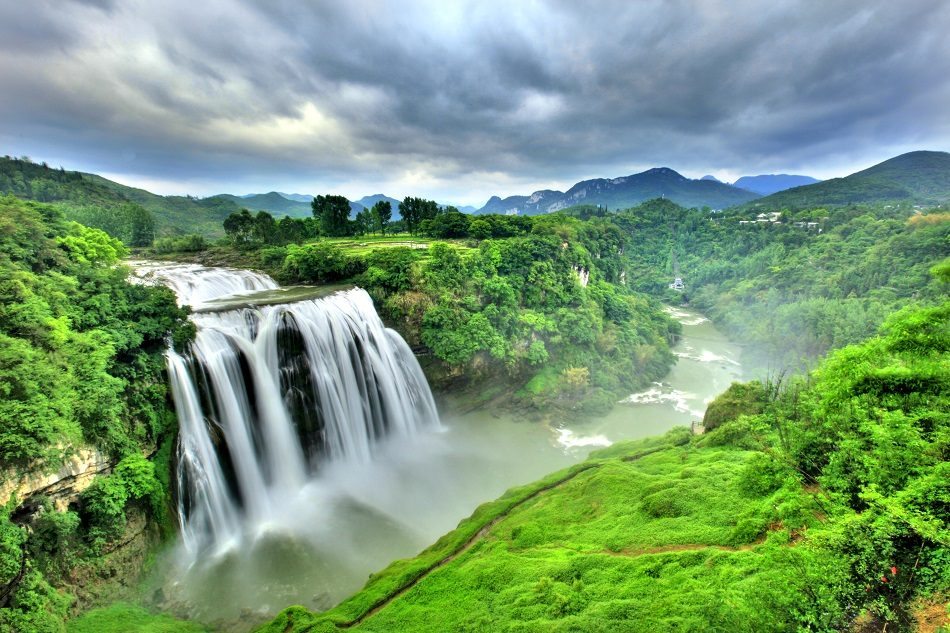
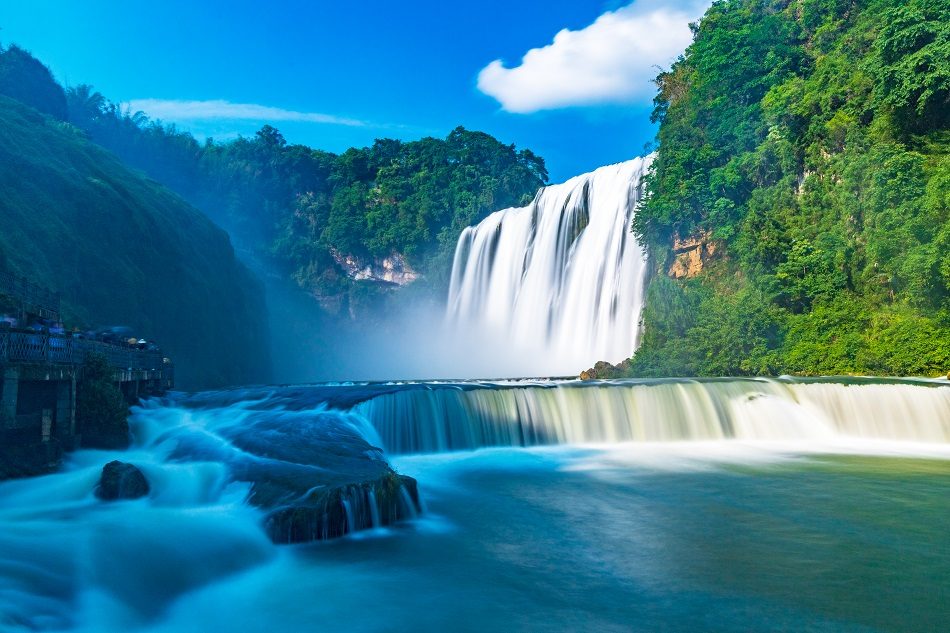
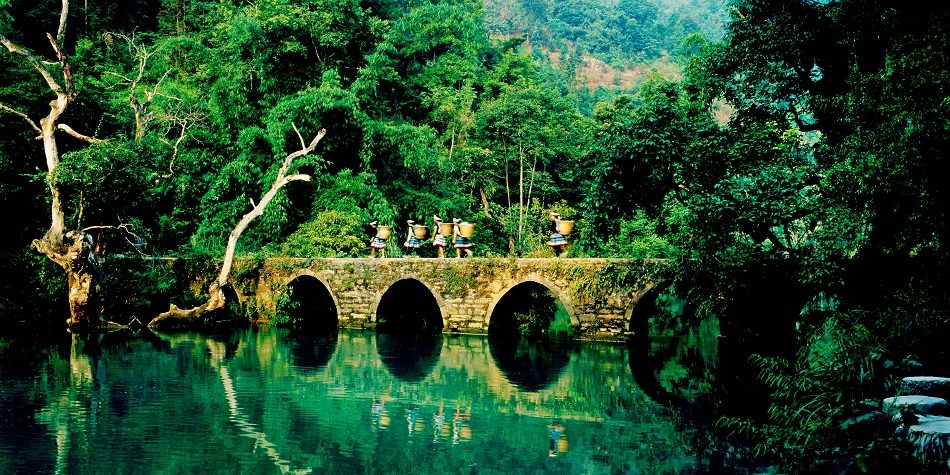
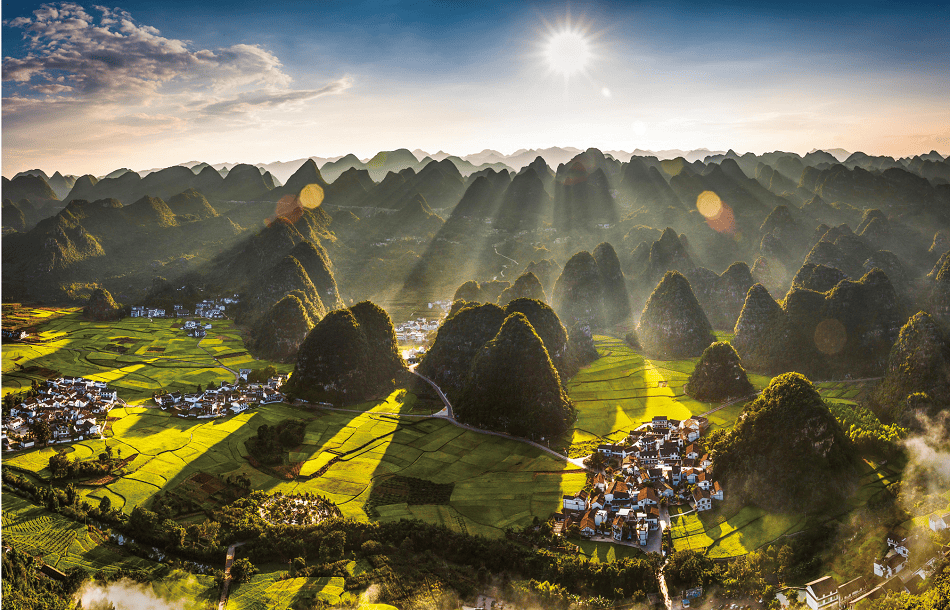
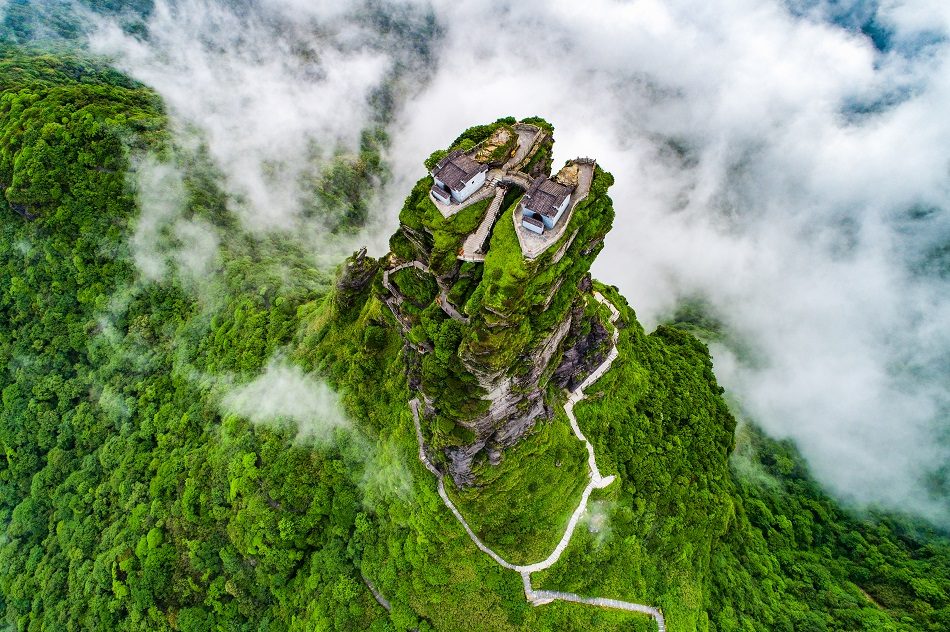
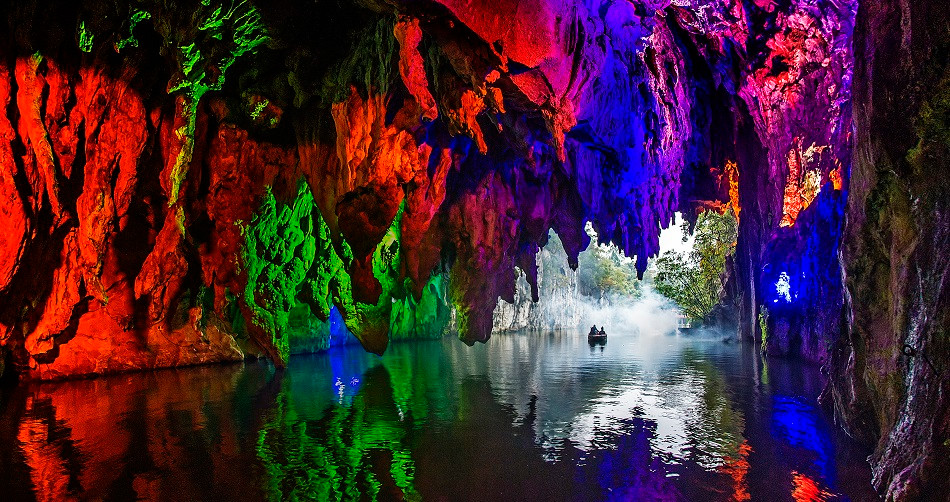
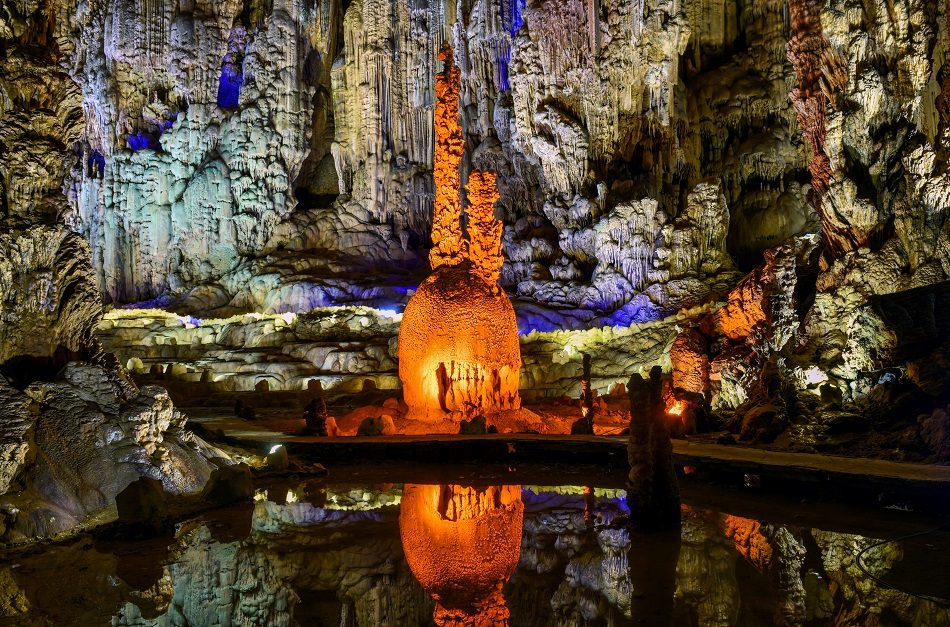
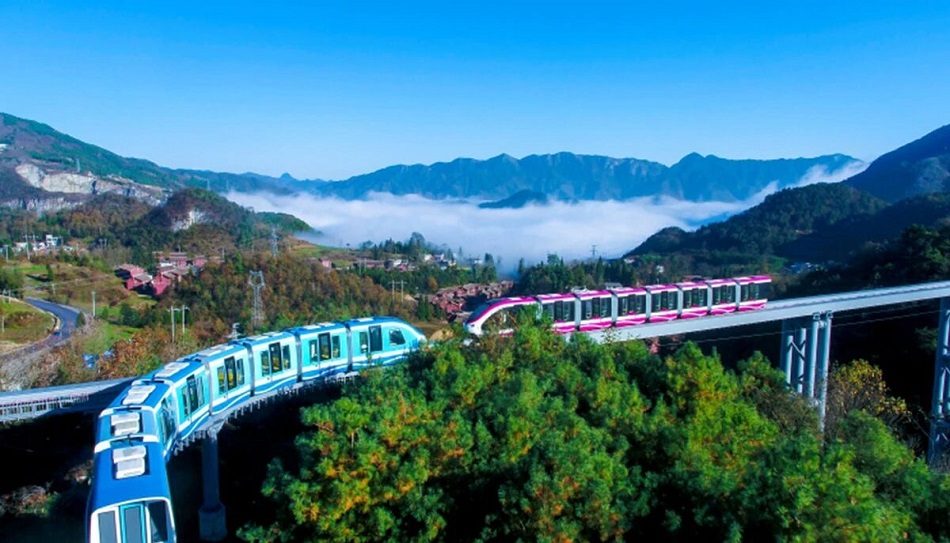
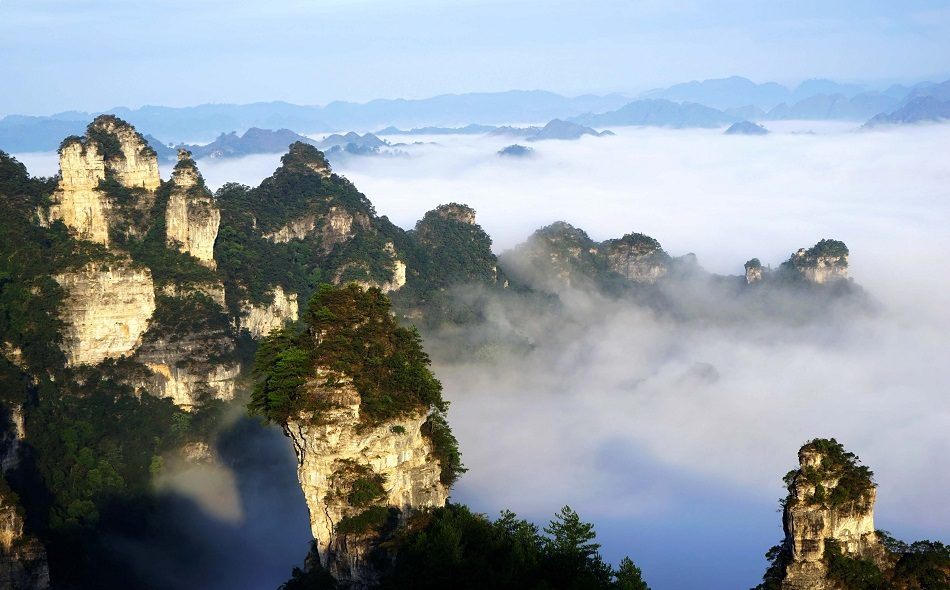
Mountains form its spine, and waters serve as its veins. The mountains of Guizhou embody the pinnacle of the Wuling Mountains, where seas of clouds surge around Fanjing Mountain in Tongren, and the breathtaking marvel of Wanfenglin, where over 20,000 peaks roll out like an endless ocean. The waters of Guizhou feature Huangguoshu Waterfall—Asia’s premier waterfall cascading like a white silk ribbon in the sky—and Libo Xiaoqikong, an exquisite “emerald on the Earth’s belt.” The karst caves of Guizhou showcase the magnificent splendor of Zhijin Cave in Bijie, widely acclaimed as the most beautiful cave with its forest of soaring stalactites and stalagmites. Here, mountains, waters, caves, and waterfalls converge to sculpt a “kingdom of mountains, world of waters, and museum of caves.”
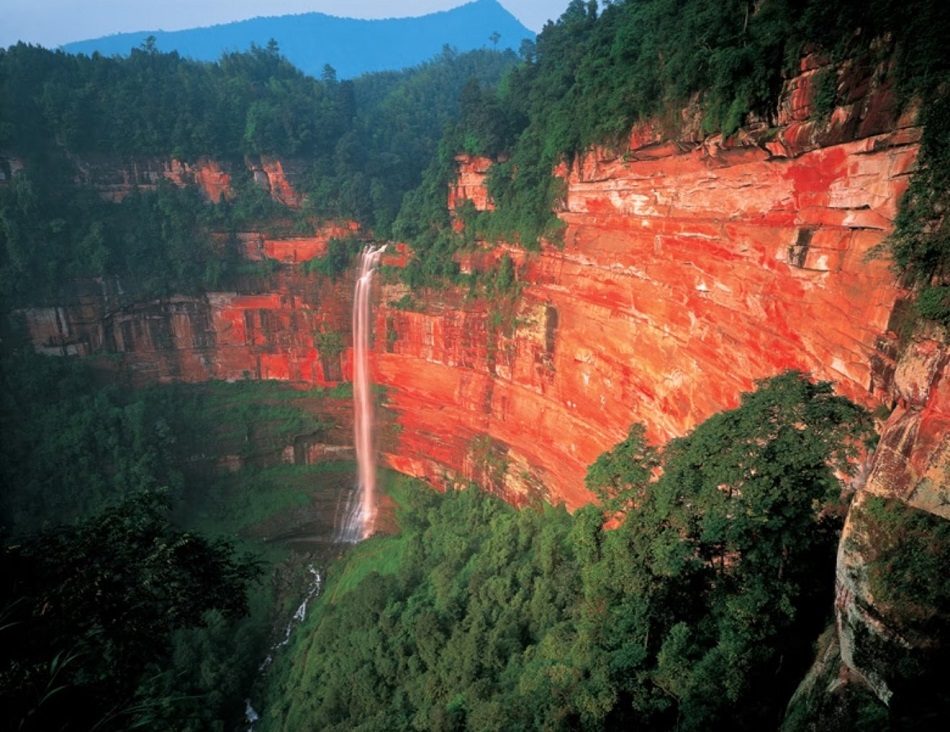
As the province with the largest number of World Natural Heritage sites in China, Guizhou boasts four World Natural Heritage sites—Libo Karst, Chishui Danxia, Shibing Yuntai Mountain, and Fanjing Mountain—along with Zunyi Hailongtun, a World Cultural Heritage site (a component site of the “Tusi Sites” World Heritage inscription). It is the only province in the country to possess both the “South China Karst” and “China Danxia” heritage designations, earning it acclaim as a “double-crown winner” among World Natural Heritage landform types globally.
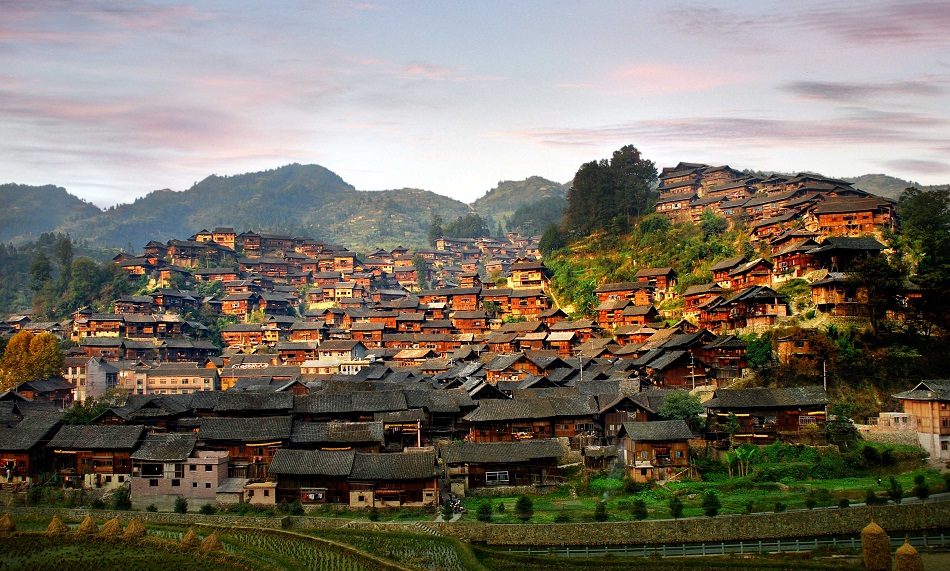
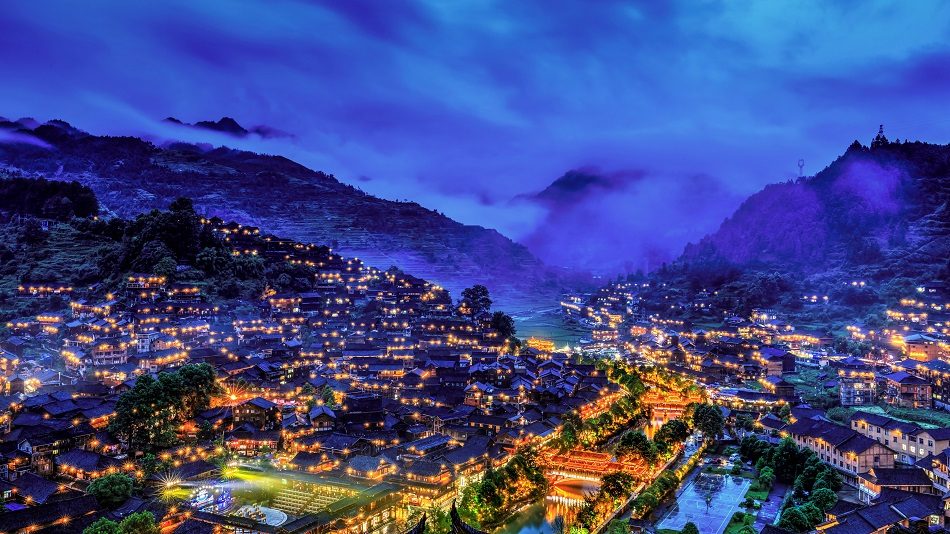
In recent years, “Huang-Xiao-Xi-Chi-Wan-Fan” (a catchy phonetic mnemonic standing for Huangguoshu Waterfall, Libo Xiaoqikong, Xijiang Thousand-Household Miao Village, Chishui Danxia, Xingyi Wanfenglin, and Tongren Fanjing Mountain) has become a highly influential cultural tourism IP of Guizhou. Covering six major landscape categories—waterfalls, waterscapes, ethnic villages, Danxia landforms, peak forests, and famous mountains—it showcases the full grandeur of the Karst Kingdom. In addition, 5A-level scenic areas such as Zhijin Cave in Bijie and Dragon Palace in Anshun each offer unique charm. We warmly invite you to join us in exploring this miraculous land where mountains and waters embrace and verdant peaks overlap, embarking on an epic journey through the landscapes of the Karst Kingdom.